Apple’s September event wasn’t just about the iPhone 17 Pro and Pro Max. The real surprise was the debut of the iPhone Air, the thinnest and lightest iPhone ever at just 5.6mm. Apple is positioning it as a bold new direction for iPhone design, but with such a slim profile, there are inevitable compromises.
Here’s our full review after hands-on testing.
Design and Build
The iPhone Air feels unlike any other iPhone. Its 5.6mm titanium frame, wrapped in Ceramic Shield glass, delivers a device that’s featherlight yet surprisingly durable. Apple even demonstrated the Air withstanding 130 pounds of pressure in durability labs without snapping.
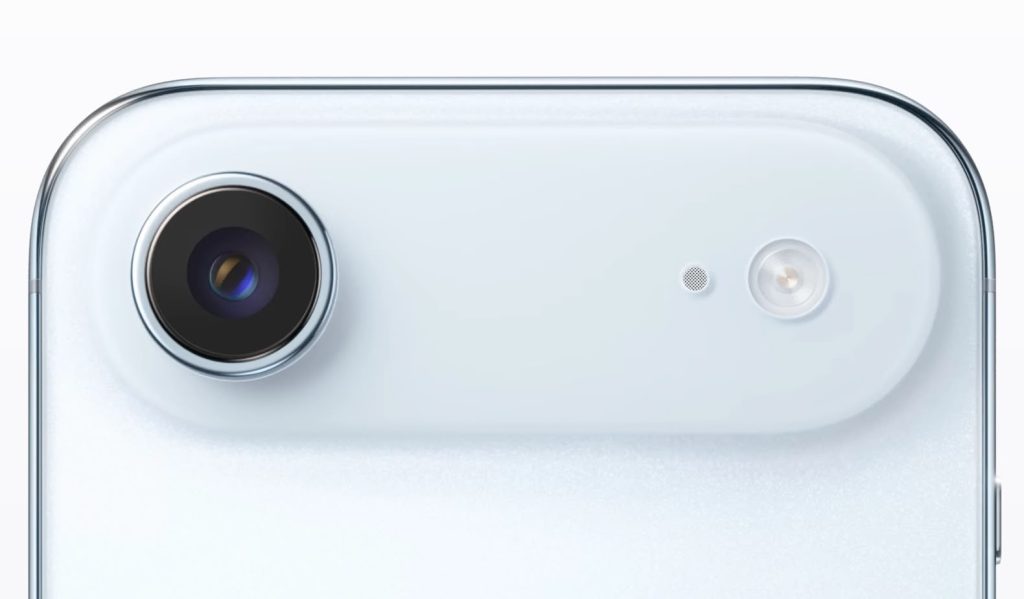
In everyday use, the Air is comfortable to carry even in a back pocket, and it resists bending. Its minimalist design includes a single rear camera plateau and comes in a sleek black finish not available on the Pro models.
Display and Software
The 6.5-inch OLED display is a highlight, producing sharp contrast and vibrant colors. Apple’s new Liquid Glass animations in iOS 26 look especially fluid on the Air, making navigation and multitasking feel seamless.
Despite its slimness, the display holds up well against thicker iPhones, and iOS 26 runs just as smoothly here as it does on the Pro lineup.
Performance
The A19 Pro chip inside the iPhone Air delivers flagship performance. Benchmarks put it close to the iPhone 17 Pro models and ahead of many Android rivals like the Galaxy S25 Edge.
Benchmarks:
• Geekbench 6 single-core: 3,695
• Geekbench 6 multicore: 9,571
• Adobe Premiere Rush (4K, 30s export): 22s
Apps open instantly, gaming runs smoothly, and multitasking feels effortless. However, without the Pro’s vapor chamber cooling, the Air gets noticeably warm under heavy workloads.
Battery Life and Charging
This is where compromises show. The slim frame limits battery size, meaning the iPhone Air is not an all-day phone for most users. Moderate use requires at least one recharge, and power users may need two.
Charging is limited to 30W wired, compared to 40W on the Pro models, likely to control heat and battery wear. Apple also markets the MagSafe Battery Pack as a companion accessory, which feels essential here.
Camera System
On the front, the iPhone Air debuts an 18MP Center Stage camera with a square sensor, ideal for group selfies and video calls with smoother electronic stabilization.
On the rear, there’s a 48MP main sensor that delivers Apple’s signature color accuracy and contrast. However, the absence of an ultrawide or telephoto lens makes it less versatile than the Pro and even the standard iPhone 17. If zoom or wide-angle shots matter, you’ll feel the limitations.
Verdict
The iPhone Air is Apple’s boldest experiment in years. At $1,000, it offers cutting-edge portability, top-tier performance, and a glimpse at Apple’s future design philosophy. But you’ll have to accept shorter battery life, some heat buildup, and fewer camera options.
Who should buy it?
• Perfect for users who value slim design and portability.
• Not ideal for heavy photographers, gamers, or power users who need long endurance.
TechReft Takeaway: The iPhone Air isn’t the best iPhone for everyone, but it’s the one that feels most ahead of its time. Hold it in your hand, and every other phone suddenly feels bulky.