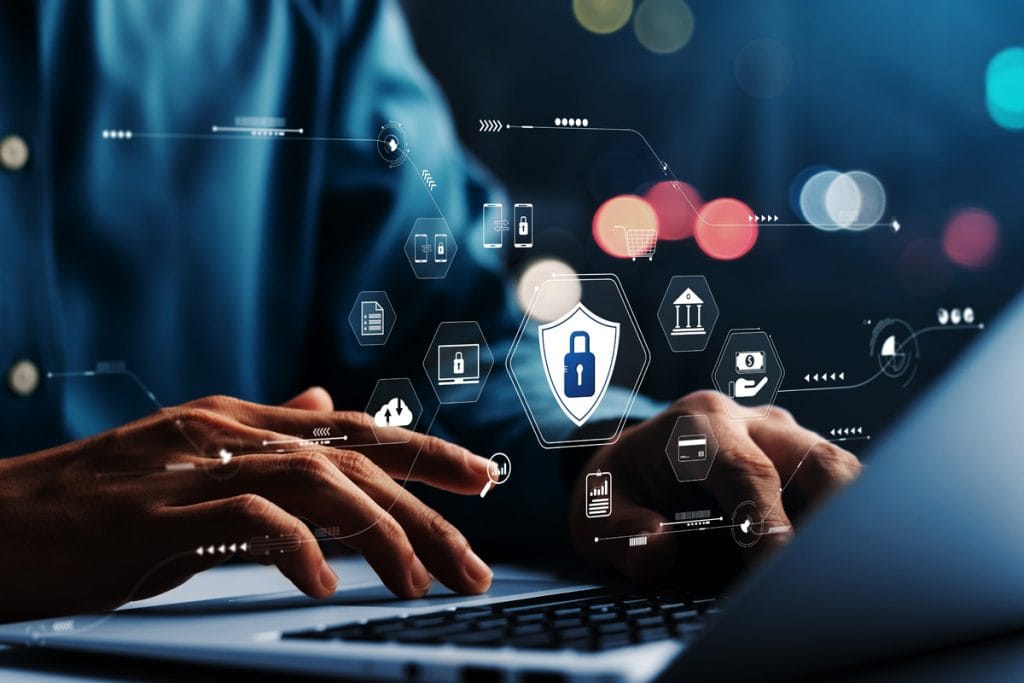
The global shift to remote work has changed how organisations think about cybersecurity. With employees working from home, co-working spaces, and even cafés, traditional security perimeters no longer exist. Cybercriminals know this, and they’re exploiting the growing vulnerabilities in distributed teams.
If your company relies on remote work, building a resilient cybersecurity strategy isn’t optional. It’s essential to protect your data, reputation, and workforce. Here’s how to do it right.
1. Start with a Risk Assessment
Before investing in tools or policies, understand where your vulnerabilities lie. Conduct a thorough risk assessment to identify:
- Which devices and applications your remote team uses
- How employees access company data
- Which data is most sensitive or business-critical
By mapping out your potential attack surface, you’ll know exactly where to focus your security efforts.
2. Adopt a Zero-Trust Security Model
The Zero-Trust model is one of the most effective frameworks for modern cybersecurity. It operates on a simple principle: never trust, always verify.
Instead of assuming internal users or networks are safe, zero-trust continuously authenticates every device and connection. This approach helps protect against insider threats, compromised credentials, and unauthorised access, all of which are common in remote work environments.
3. Enforce Strong Authentication and Access Controls
Multi-Factor Authentication (MFA) should be mandatory across your entire organisation. It adds an extra layer of security by requiring employees to verify their identity through a second factor such as a one-time code or biometric scan.
Also, implement the Principle of Least Privilege (PoLP), meaning users only get access to the data and tools necessary for their role. Limiting access drastically reduces the damage potential of a security breach.
4. Secure Devices and Connections
Remote employees often use personal laptops or connect via public Wi-Fi both risky scenarios. To reduce exposure:
- Require endpoint protection software on all devices
- Use Virtual Private Networks (VPNs) for secure connections
- Regularly update operating systems and security patches
- Implement Mobile Device Management (MDM) solutions for centralised control
This ensures that even off-site devices meet your company’s security standards.
5. Train Employees to Recognise Threats
Human error remains the number one cause of security breaches. That’s why cybersecurity awareness training is critical.
Educate your team about:
- Phishing and social engineering attacks
- Safe password practices
- How to report suspicious activity
Make training interactive and frequent, not just a one-time event. Encourage a culture of vigilance and responsibility around data protection. The YouTube video below from The University of St.Gallen really breaks this down for business owners and managers.
6. Use Cloud Security and Data Encryption
With most remote teams relying on cloud tools like Google Workspace, Slack, or Microsoft 365, data protection in the cloud is a must. Always choose platforms that support end-to-end encryption, regular backups, and role-based access.
In addition, use data loss prevention (DLP) solutions to detect and block unauthorized data transfers. This safeguards sensitive company information even when employees are working outside office networks.
7. Develop an Incident Response Plan
Even with the best security systems, breaches can still happen. That’s why you need a clearly defined incident response plan.
It should outline:
- How to identify and contain a breach
- Who is responsible for communication and recovery
- The steps for restoring systems and data
Having this plan in place helps your organization react quickly and minimize downtime when an incident occurs.
8. Regularly Test and Update Your Strategy
Cyber threats evolve constantly, so your security plan should too. Perform regular audits, penetration tests, and system updates to identify weaknesses.
Also, stay informed about new vulnerabilities, especially in tools your remote teams depend on. A proactive approach ensures your cybersecurity strategy remains strong — even as technology changes.
Final Thoughts
Building a resilient cybersecurity strategy for remote workforces is about more than just tools — it’s about mindset, consistency, and adaptability.
By embracing zero-trust principles, training your employees, and maintaining strong device and data protection policies, your company can stay ahead of potential threats and build a truly secure remote work environment.
In the end, cyber resilience isn’t just about preventing attacks; it’s about ensuring your organisation can adapt, recover, and continue operating no matter what comes your way.
Recommended Reading: